

Selling A House That Has Flooded – 2024 Guide
Flooding leaves its mark—and for homeowners, that mark can feel like a mountain to climb.
Here’s a surprising stat to start: homes that have flooded can see up to a 30% drop in value, even after repairs.
That’s a steep hit, and if you’re here, you’re probably wondering if selling your flooded property is even worth it.
The answer? Yes, it can be.
With the right approach, even a water-damaged home can find a buyer—and sometimes faster than you’d expect.
I’m Kelly Mason, and I’m here to give you the culinary (and real estate) scoop on selling a flooded home. I understand the challenges of navigating the real estate market in tough situations like these. Selling a home that’s experienced flooding isn’t just about setting a price and hoping for the best; it’s about knowing what to disclose, choosing whether to repair or sell as-is, and understanding how to reach buyers who see potential where others see problems.
In this guide, we’ll walk through every step—from documenting damage to choosing whether to work with an investor or traditional buyer. You’ll get actionable advice on handling disclosures, assessing repair options, and even pricing strategies that work for water-damaged homes.
Let’s get into it: how to take your flooded property from a liability to a solid sale.
Understanding the Impact of Flood Damage on Property Sales
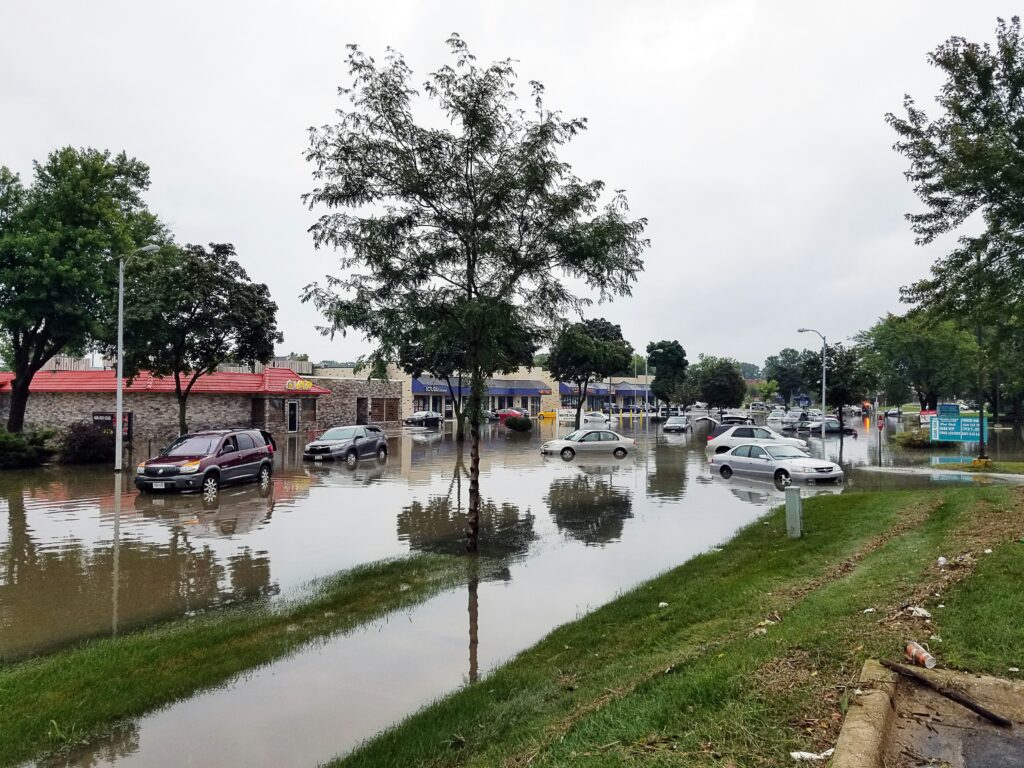
Flood damage can seriously affect a property’s value and marketability. Even if your home is structurally sound, the stigma of water damage—and the potential for future flooding—can deter buyers and drop your home’s value by 20-30%. Let’s dive into the reasons behind this and what you need to know about the types of water damage that affect your home.
Common Causes of Flood Damage in Homes
Flood damage doesn’t just happen from natural disasters. In fact, many water issues come from within the home itself. Here are the common causes:
- Plumbing leaks: Aging pipes and faulty installations lead to leaks that may go unnoticed until serious damage occurs.
- Burst pipes: Cold weather and frozen pipes can cause sudden bursts, flooding basements and living areas.
- Roof leaks: Missing shingles, clogged gutters, or poor maintenance can allow rainwater to seep in, causing stains and structural issues.
- Poor drainage: Water pooling around your home’s foundation can lead to basement flooding or even foundation damage.
- Natural flooding: Heavy rains and flooding from nearby rivers or creeks can inundate a home, even in areas considered low-risk.
Types of Water Damage to Look For
When assessing flood damage, there are key signs to watch out for:
- Stains on ceilings and walls: These are telltale signs of leaks, usually from roofs or plumbing.
- Warped floors: Buckling hardwood or laminate indicates moisture exposure, often from sustained leaks.
- Musty odors: These suggest mold growth—a common and costly consequence of untreated water damage.
- Mold growth: Mold can lead to health risks and worsen damage, often requiring professional remediation.
- Structural damage: Bowed walls or compromised foundations
The Effects of Flood Damage on Property Value
For homes with a history of water damage, property value often takes a hit. Even if repairs are completed, potential buyers may perceive a risk. Homes in flood-prone areas or with multiple incidents of flood damage face added scrutiny and may require a lower sale price to attract interest.
If you’re in this situation, understanding the trade-offs between repairs and selling as-is can help you make a smarter decision. Let me help you weigh the pros and cons.
Legal Requirements for Selling a House with Flood Damage
Disclosure is not just about being honest; it’s also legally required. Both federal and state regulations mandate that sellers inform potential buyers of any known water damage to the property.
And to be honest, disclosure is a best practice.
You never want to under-disclose issues with property when you are the seller. I always recommend over-disclosing and being transparent about property concerns or deficiencies – especially when I am filling out an SRPD.
Federal and State Disclosure Requirements
Federal laws, like the Real Estate Settlement Procedures Act (RESPA) and Truth in Lending Act (TILA), ensure transparency in real estate transactions. State regulations add further layers, with some requiring sellers to disclose specific water damage details—everything from past flooding incidents to mold remediation. Make sure you’re familiar with your state’s disclosure rules, as failure to comply can lead to penalties or lawsuits.
Consequences of Failing to Disclose Flood Damage
Non-disclosure can have serious consequences. If a buyer, or vendee, discovers undisclosed water damage after the sale, you could face costly lawsuits and settlements. Beyond financial repercussions, failing to disclose known damage can damage your reputation, complicating future real estate transactions. Being transparent helps you avoid these pitfalls and builds trust with potential buyers.
Assessing Flood Damage Before Selling
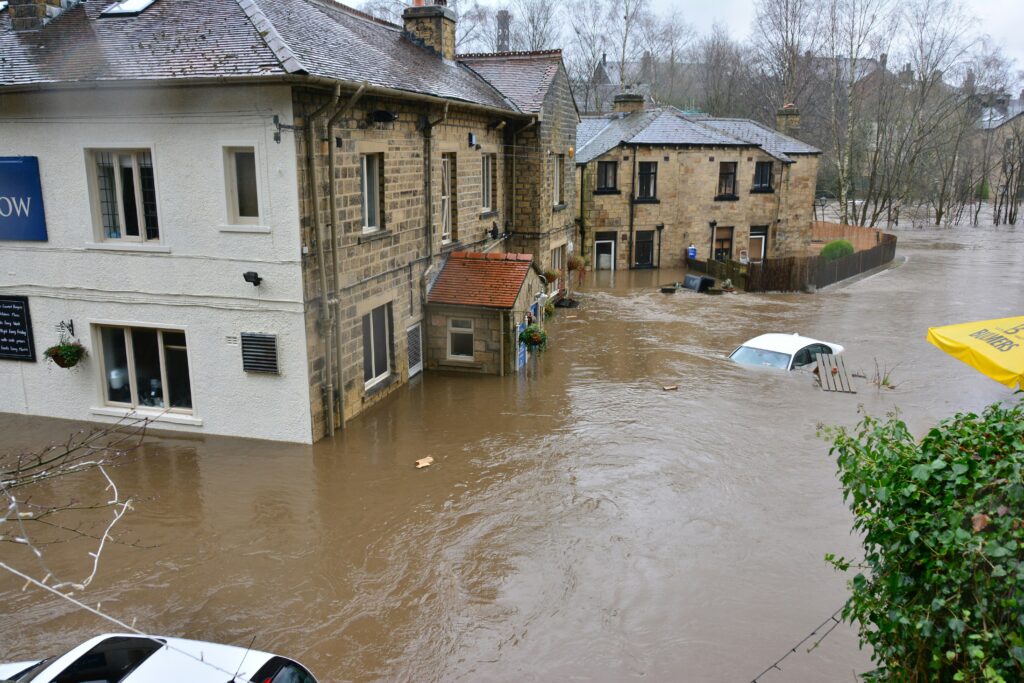
Before you can decide on repairs, a thorough inspection is crucial.
Hiring a Professional Inspector
A certified home inspector can provide a complete assessment of your property, including areas that may not show obvious signs of damage. This typically costs between $300 and $500 but provides valuable information, such as hidden moisture and mold risks. An inspector’s report is not only useful for you—it can also be shared with prospective buyers to show transparency.
When shopping for a home inspector of your flooded property, look for one that has certifications for mold, natural disasters and other water related issues. You’ll want a licensed and certified opinion on the condition and damage.
Documenting Damage for Transparency
Make a detailed disclosure statement that includes:
- Description of damage: Specify the type and extent of water damage.
- Cause of damage: Note whether it was due to a burst pipe, roof leak, or flood.
- Repair history: Include any past repairs or mold remediation efforts.
- Professional assessments: Attach inspection reports and estimates for any necessary repairs.
Having this information ready can ease buyers’ concerns and improve the likelihood of a smooth transaction.
Deciding on Repairs Before Selling
Once you’ve assessed the damage, it’s time to decide on repairs. In some cases, it’s wise to make essential repairs; in others, it may be more practical to sell the property as-is.
Minor Repairs vs. Major Remediation
Minor repairs—like fixing small leaks, repainting, or replacing drywall—can improve your home’s appearance without a hefty cost. But if your property needs major fixes—like foundation repairs, roof replacements, or extensive mold remediation—calculate the cost and consider if the investment is worthwhile. Working with a real estate agent who understands local buyer expectations can help you decide which repairs will add value versus those that may not.
Mold Remediation and Health Concerns
If mold is present, mold remediation is crucial. Mold can pose serious health risks, so if damage is extensive, hiring a professional is essential. Mold removal involves:
- Assessment: Determining the extent of mold presence.
- Containment: Preventing further spread.
- Removal: Using specialized equipment to safely eliminate mold.
- Cleanup: Cleaning and sanitizing the area to prevent recurrence.
Professional mold remediation can range from $500 to $6,000, depending on the severity.
Pricing and Marketing a Flood-Damaged House
A well-thought-out pricing strategy can help attract buyers and make up for flood-related depreciation.
Setting a Competitive Price
A Comparative Market Analysis (CMA) helps set a realistic price range by comparing recent sales of similar homes. Factor in any repair costs and consider offering repair credits or covering closing costs to make your listing more appealing to buyers. This transparency can improve buyer confidence, reducing potential issues during negotiations.
Effective Marketing Tactics for Damaged Homes
Honesty is key when listing a water-damaged home. High-quality photos and a detailed description should acknowledge the water damage and remediation efforts. Target your marketing to the right buyer pool:
- Investors and flippers: Often interested in renovation projects.
- Cash buyers: Individuals or companies willing to buy without mortgage contingencies.
Utilize online real estate platforms to reach a wide audience and consider a clear listing that details both the property’s charm and its history.
Selling Options for Homes with Flood Damage
If handling repairs sounds daunting, several selling options could be a better fit.
Selling As-Is: Pros and Cons
Selling your home “as-is” avoids repair costs, but it typically means a lower offer. An as-is sale attracts cash buyers or investors who accept the property’s condition. However, the as-is approach limits your buyer pool and requires full disclosure of the water damage.
Using a Real Estate Agent for Flood-Damaged Properties
Working with a real estate agent experienced in flood-damaged properties can be invaluable. They can help you set a competitive price, reach potential buyers, and manage showings and disclosures. Agents also have access to the MLS, expanding your property’s exposure.
Selling to Cash Buyers and iBuyer Services
If you want a fast, low-hassle transaction, selling to a cash buyer or an iBuyer platform like iBuyer.com could be ideal. These buyers purchase properties in almost any condition and often close quickly. You won’t need to make repairs, and you can avoid the lengthy traditional selling process.
Preparing for a Smooth Closing Process
Once you’ve found a buyer, the closing process is your final step. Here’s how to keep it efficient.
Preparing All Necessary Documentation
Be prepared with:
- Home inspection report: Shows the extent of the damage.
- Disclosure forms: Required by law for water-damaged properties.
- Mold remediation certificate: Indicates all mold was professionally removed.
- Repair invoices: Proves repair work done and builds buyer confidence.
- Financing disclosures: Ask the buyer whether or not they will be able to obtain a loan on the property. Get that in writing!
Setting Buyer Expectations and Managing Negotiations
During closing, your buyer might request additional discounts or credits. Be prepared to negotiate on items such as repair credits or closing costs. Clear communication and a thorough disclosure packet can ease buyer concerns and help prevent last-minute complications.
Conclusion: Navigating the Challenges of Selling a Flooded House
Selling a home that’s flooded doesn’t have to be overwhelming. By understanding disclosure requirements, assessing repair options, and targeting the right buyers, you can find the right path forward. Whether you choose to tackle repairs, work with an agent, or opt for a cash offer, remember that transparency is essential. With the right approach, you can successfully turn a challenging situation into a rewarding sale.